


Safety

As we close out 2025, I find myself reflecting on what has been an incredibly meaningful second half of the year - one filled with conversations, insights, and genuine connections that have shaped how we think about teen wellbeing at Discord. From coffee conversations with mothers and grandmothers in Texas to lunch roundtables with NGO leaders in Brussels, from virtual sessions with families nationwide to in-person workshops with teens and parents in Nashville and beyond. We've had the privilege of listening to diverse teens, parents, guardians, educators, and experts who've generously shared their experiences, concerns, and hopes for making Discord a place where teens can truly thrive.
This work wouldn't have been possible without our incredible partners and collaborators: including the Digital Wellness Lab at Boston Children’s Hospital (DWL), the Family Online Safety Institute (FOSI), the Thriving in Games Group (TIGG), and the National Parent Teacher Association (PTA). Their expertise, dedication to youth wellbeing, and commitment to evidence-based approaches have enriched every conversation and informed every insight. To the teens and families who opened up about their experiences - thank you for trusting us with your stories. You're shaping the future of Discord in profound ways.
What strikes me most about this season's work is how it reinforces something we already believe deeply: teens aren't a problem to be solved, they're experts in their own experiences, creative problem-solvers, and rights-holders who deserve platforms that empower them to connect, express themselves, and have fun safely. The conversations we've had this fall and winter have given us a roadmap for 2026 that I'm genuinely excited about. But before we look ahead, let me share what we've learned together.
When we first connected with parents in Texas this past summer, we knew we were embarking on something important. What we didn't fully anticipate was just how transformative these conversations would become. Through our funded collaboration with National PTA as a supporting sponsor of the PTA Connected initiative, we conducted an extensive series of focus groups and workshops across the country—from in-person sessions in Texas and New York to virtual conversations with families from coast to coast.
The conversations revealed something both challenging and hopeful. On one hand, we discovered that work to raise Family Center awareness is still necessary. But here's what gives me hope: when the families we spoke with learned about features like our optional report notification tool in Family Center, their responses were overwhelmingly positive. These parents appreciated being reminded that they should talk directly with their teen rather than jumping to conclusions. As one parent beautifully put it: "My first thought was, 'Discord should send me the full report.' But, after thinking about it, this is better. My mind automatically assumes the worst of the worst, and it's better to instead be reminded I need to talk to my teen directly."
The teens we spoke with valued having agency in how they involve parents. One teen shared: "I like that it's optional…like I won't use it for the minor stuff, but if there's anything I need help with, it's nice to have the option." Another explained: "I'm glad I get to frame the issue…that my mom won't see the report itself and will have to talk to me first."
Our conversations revealed shared priorities among parents and teens: building AI literacy skills, developing healthy time management habits, and recognizing the value of the friendships teens build online while helping them develop strong judgment about new connections. They also uncovered something beautiful: teens consistently emphasized that their online friendships are real and valuable. "Online friendships are real," one teen stated emphatically. "It's not all bad, there is good."
Participating parents and teens also helped us understand what makes for meaningful conversations when something goes wrong online. Teens told us they need understanding, not judgment. They want parents who will listen without immediately ‘freaking out’ or jumping to conclusions. "...an open mind, and a calm talk. Not a lecture, just like a therapy session," as one teen described. This reinforces why we're investing in resources that help parents have productive conversations with their teens—the goal is keeping communication channels open so teens feel comfortable seeking help when they need it.
The insights from these conversations are directly informing how we think about our offerings for families. We heard your requests for age-adaptive features, better time management tools, and more comprehensive education for both parents and teens. We're taking every piece of feedback seriously as we shape what's coming in 2026.
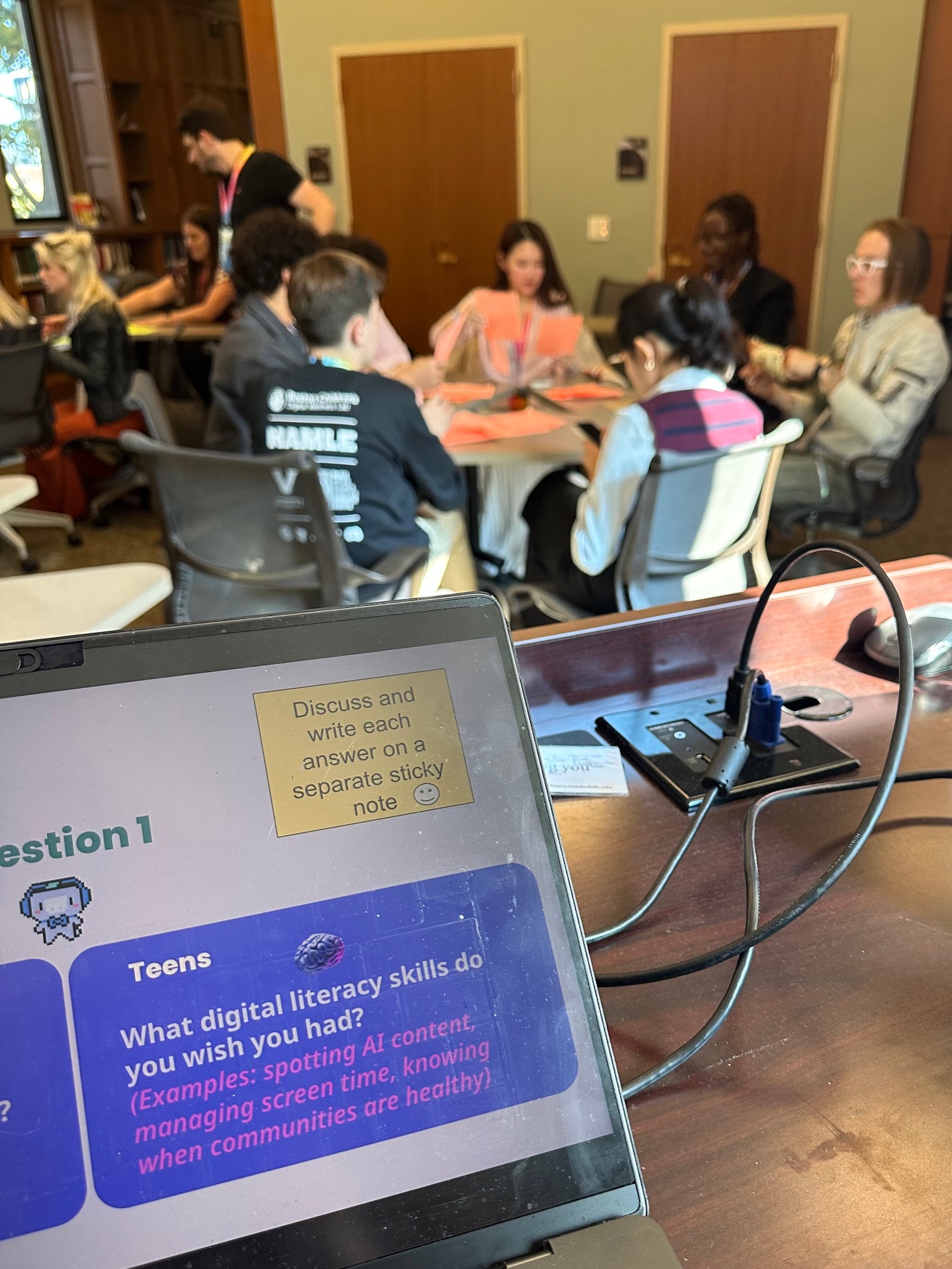
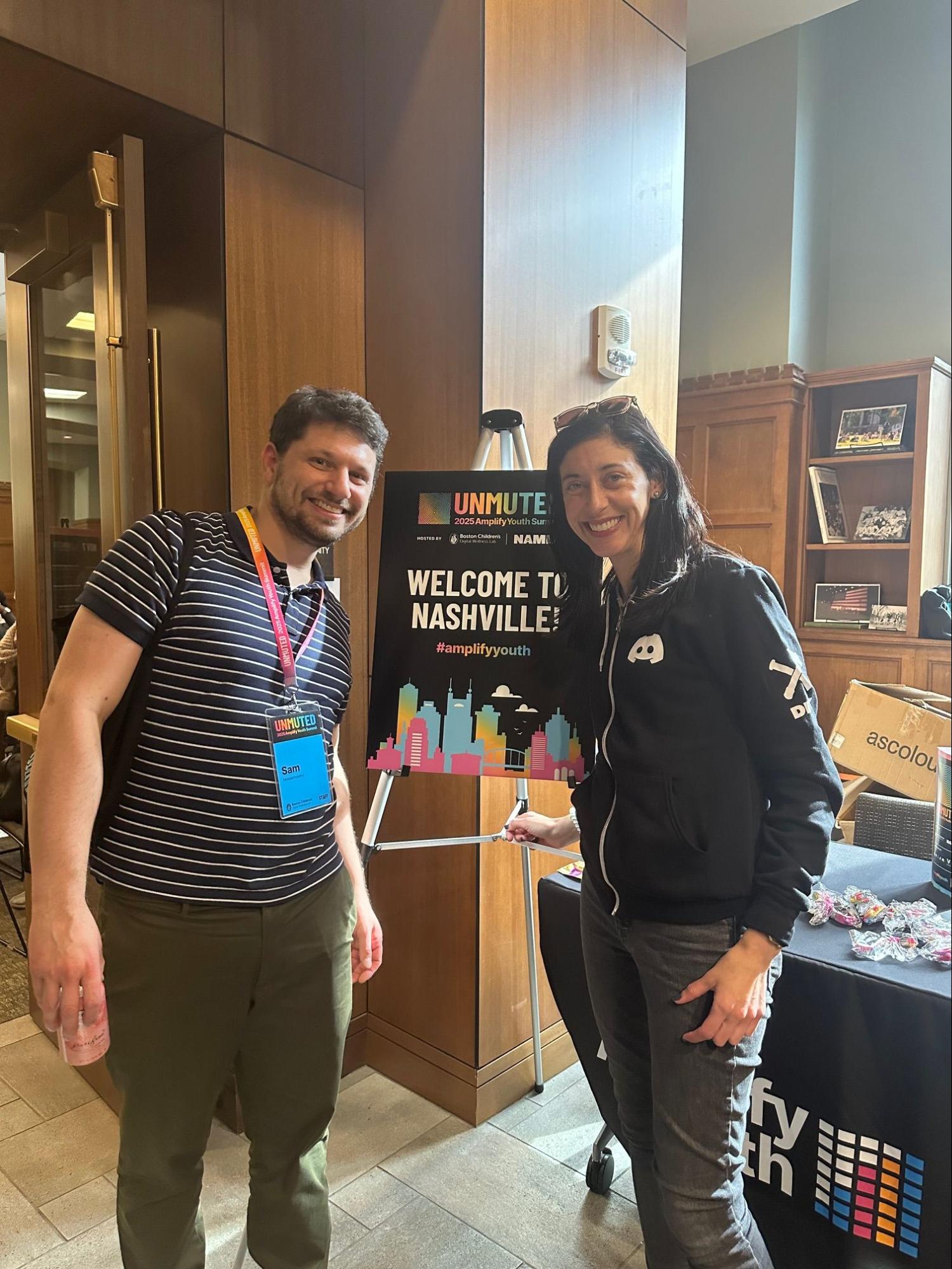


In early November, I had the honor of leading a workshop at the Digital Wellness Lab's Unmuted Summit at Vanderbilt University, an event that brought together teens, parents, educators, and industry leaders to have honest conversations about digital wellbeing. The summit, organized in partnership with the National Association for Media Literacy Education, exemplified exactly the kind of youth-centered approach we believe in.
My workshop, "What We Wish You Knew: A Teen-Parent Digital Dialogue," created space for something remarkable: teens and parents working through real scenarios together -from navigating AI tools to understanding why gaming matters, from managing social pressures to balancing privacy and safety. Rather than talking about teens, we talked with them, and the difference was profound.
Twenty participants - a blend of parents and teens from across the United States and internationally - helped us understand the digital divide from both perspectives. Teens shared what they wished parents understood: that online friendships are real, that gaming is how they build social connections and express themselves, and that needing screen time limits isn't a “moral failing”, it's just being human in a digital age.
Parents opened up about their biggest challenges: understanding the boundary between friends and strangers in their teens' minds, keeping up with AI technology, and figuring out how to support teens through online challenges without overreacting. One parent's concern particularly resonated: "Knowing what my teen considers to be the boundaries between 'friends' and 'strangers.'"
The summit reinforced what we've seen in our PTA work: teens need digital literacy education, not just rules. They want to become more savvy about AI, learn how to better identify safe interactions, and know when communities are healthy to join. And when something does go wrong, they need parents who will be present, understanding, and calm, not judges or fixers, but supportive allies.
Teens also helped us understand the nuances of how they want parental support. As one teen explained, "Sometimes I go to my mom with a problem, but I don't want her to tell me what to do or try to 'fix it', I just want her to know—like, I can handle it, but telling her helps me vent/process."
Just like our PTA partnership, these insights are being woven into how our internal teams at Discord are thinking about the teen and family experience. We're listening, learning, and building with these voices at the center.
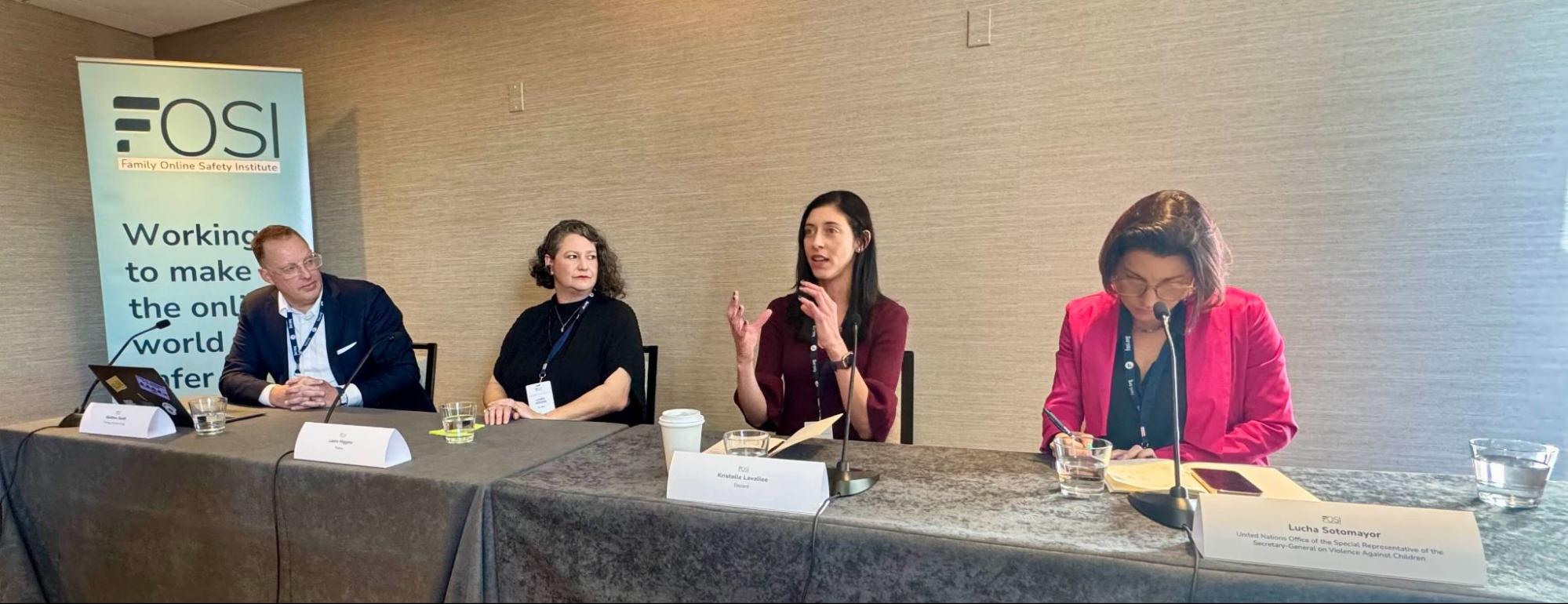
At FOSI's Annual Conference this fall, I joined an incredible panel with Laura Higgins from Roblox, Lucha Sotomayor from the United Nations Office of the Special Representative of the Secretary-General on Violence Against Children, and Matthew Soeth from the Thriving in Games Group as our moderator. Our discussion, "Next Level Gaming Safety," explored something essential: how we maximize the positives of gaming while thoughtfully mitigating risks.
The conversation started with something delightfully relatable - “What are we all playing right now?” Because at its core, that's what gaming is about: fun, challenge, and connection. Matt grounded our discussion in the concept of digital thriving, the intentional creation of online spaces that foster wellbeing for users, communities, and the developers who build them.
The statistics are remarkable: 3 billion people worldwide play games—that's one-third of the global population. Gaming isn't just entertainment; it's how people connect, learn, and grow. But with that massive reach comes responsibility.
I spoke about what we're seeing at Discord: the research-based positives of gaming, including stress relief, skill development, collaboration, and community building. We discussed the promising aspects of esports, particularly for teens who are developing transferable skills that go far beyond being a professional player, including, leadership, problem-solving, teamwork, and digital citizenship.
But we also talked honestly about challenges: how do we help support a positive space for our users? How do we think about time management and screen time in developmentally appropriate ways? How do we empower parents to understand and engage with the games their teens love, rather than viewing gaming as "the enemy"?
The panel reinforced a core belief: games are fun, and they should stay fun while also being safe spaces for everyone. That means integrating teens and families into the gaming experience thoughtfully.We're creating tools and resources that give families more visibility and control while respecting teens' developmental need for growing autonomy.
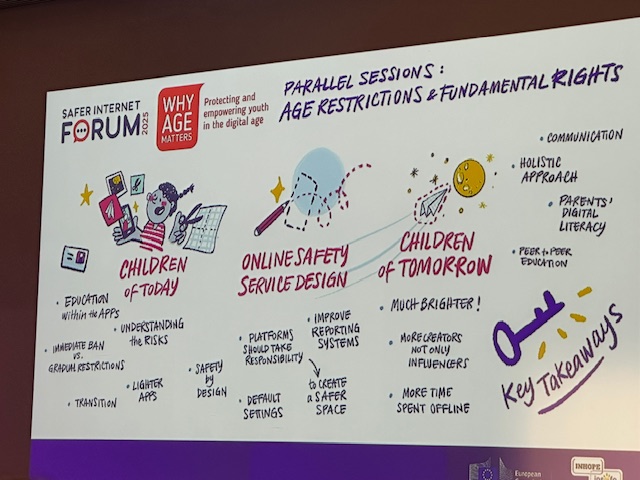
The Safer Internet Forum in Brussels this December marked a truly significant moment in our teen wellbeing work. The forum's theme, "Why age matters: Protecting and empowering youth in the digital age”, aligned perfectly with the conversations we've been having all season about balancing protection with empowerment.
The day before the forum, we hosted an intimate roundtable lunch with select NGO representatives and child safety organizations. Over sandwiches, we had honest, collaborative conversations about age assurance implementation. The consensus was clear,effective teen safety calls for a comprehensive approach, with age assurance serving as one important layer alongside education, product design, and family engagement tools. Our Public Policy and Product Policy teams brought together diverse voices to explore critical questions: What risks can age assurance realistically address? How do we implement it while respecting young people's rights and privacy? What unintended consequences must we anticipate?
The forum itself prominently featured youth voices. Teens served on panels, led discussions, and challenged assumptions. As one member of the SIF Youth Advisory Group powerfully stated: “Policy is made better with youth and not just for youth.” Throughout the day, teens demonstrated exactly why this matters, bringing nuanced perspectives that balanced protection needs with rights to access, privacy, and digital participation.The overlapping themes from both the lunch and the forum are now embedded in how we're thinking about our 2026 roadmap. The message from Brussels was clear: policy is made better with youth, not just for youth.
As my Wellbeing and Empowerment policy colleague, Patricia Noel, and I reflect on these past few months, what stands out most isn't just the research findings or the partnerships—it's the consistent message we've heard from teens themselves. They want to be trusted. They want to be included in conversations about their safety. They want platforms that respect their growing autonomy while still providing appropriate support. They want their online friendships recognized as real and valuable. And they want spaces where they can have fun, be themselves, and build communities around what matters to them.
At Discord, we've always believed that teens deserve better than one-size-fits-all approaches. The insights from our fall and winter work have reinforced that belief and given us a clear path forward. We're taking everything we've learned from coffee convos and focus groups, from conference panels and policy roundtables, from parents' concerns and teens' hopes - and are translating it into meaningful improvements.
We're looking forward to sharing more about our plans for teens and families on Discord throughout 2026. We're creating tools and resources that empower rather than restrict. We're enhancing education for both guardians and teens. And we're doing it all with the input of teens and families guiding every decision.
To the teens who've shared your experiences: thank you for trusting us with your stories and for being honest about what works and what doesn't. To the parents and guardians who've opened up about your concerns and hopes: thank you for partnering with us in creating a safer, more supportive Discord. To our partners at the Digital Wellness Lab, FOSI, TIGG, and the National PTA: thank you for your expertise, collaboration, and shared commitment to youth wellbeing.
Here's to a 2026 filled with connection, expression, community, and plenty of fun! We're building it together.
For more information about Discord's safety features and resources for families, visit our Family Center and Parent Hub.


